Product Description
Rock Wool Production Line
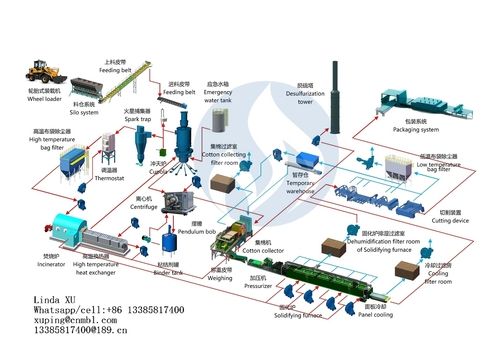
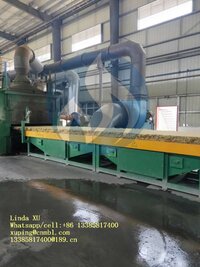
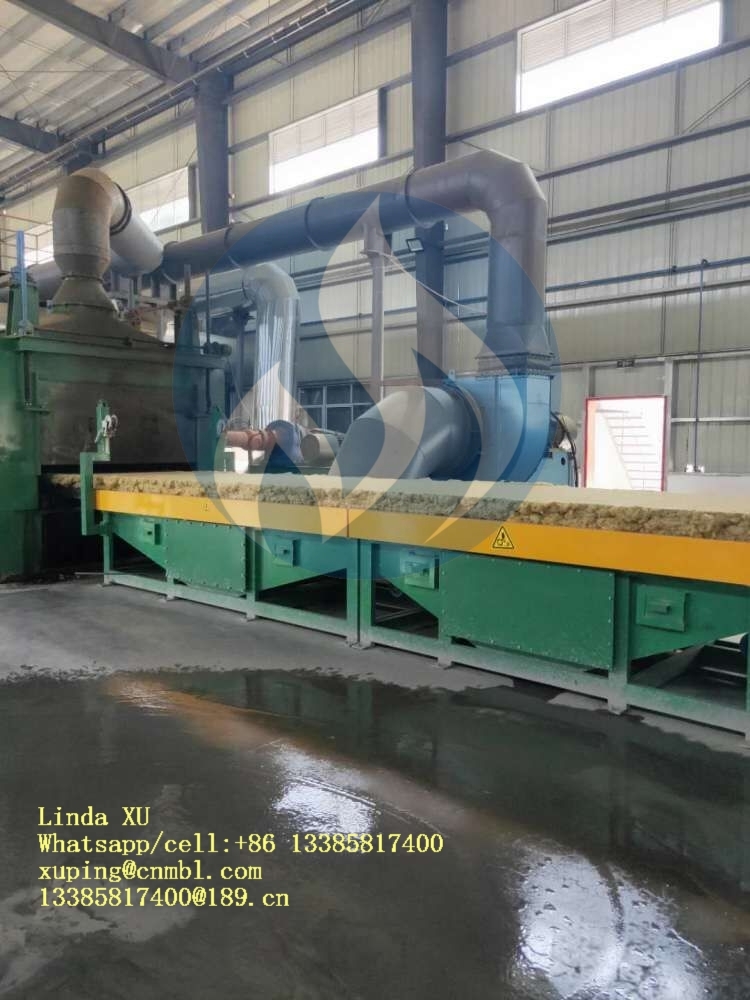
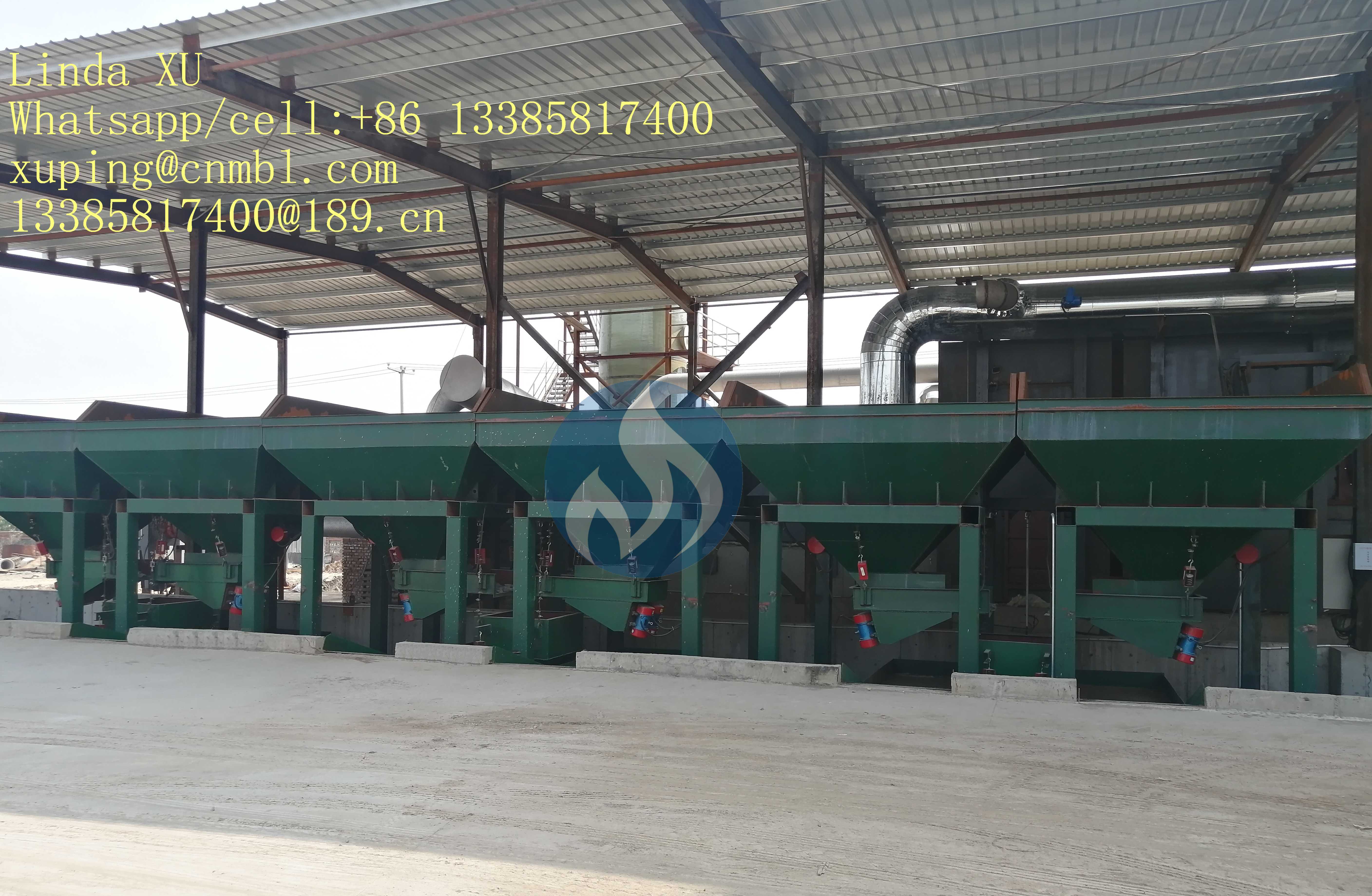
Process introduction: Raw materials such as basalt, slag, dolomite and coke are metered and sent to the cupola for melting. The raw materials are melted at a high temperature above 1450deg.C and then centrifuged at high speed by a centrifuge to form fibers. At the same time, a certain amount of binder, dust-proof oil and water repellant are sprayed into it, and then collected by the cotton collector, passed through the pendulum bob to layout fiber, and then pressurized, forming, solidifying and cutting to form rock wool products of different specifications and uses.
we can provide process design, equipment manufacturing, installation, commissioning and operation training for rock wool production line.
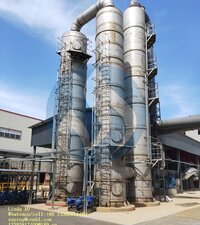
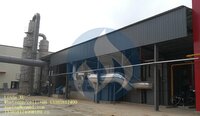
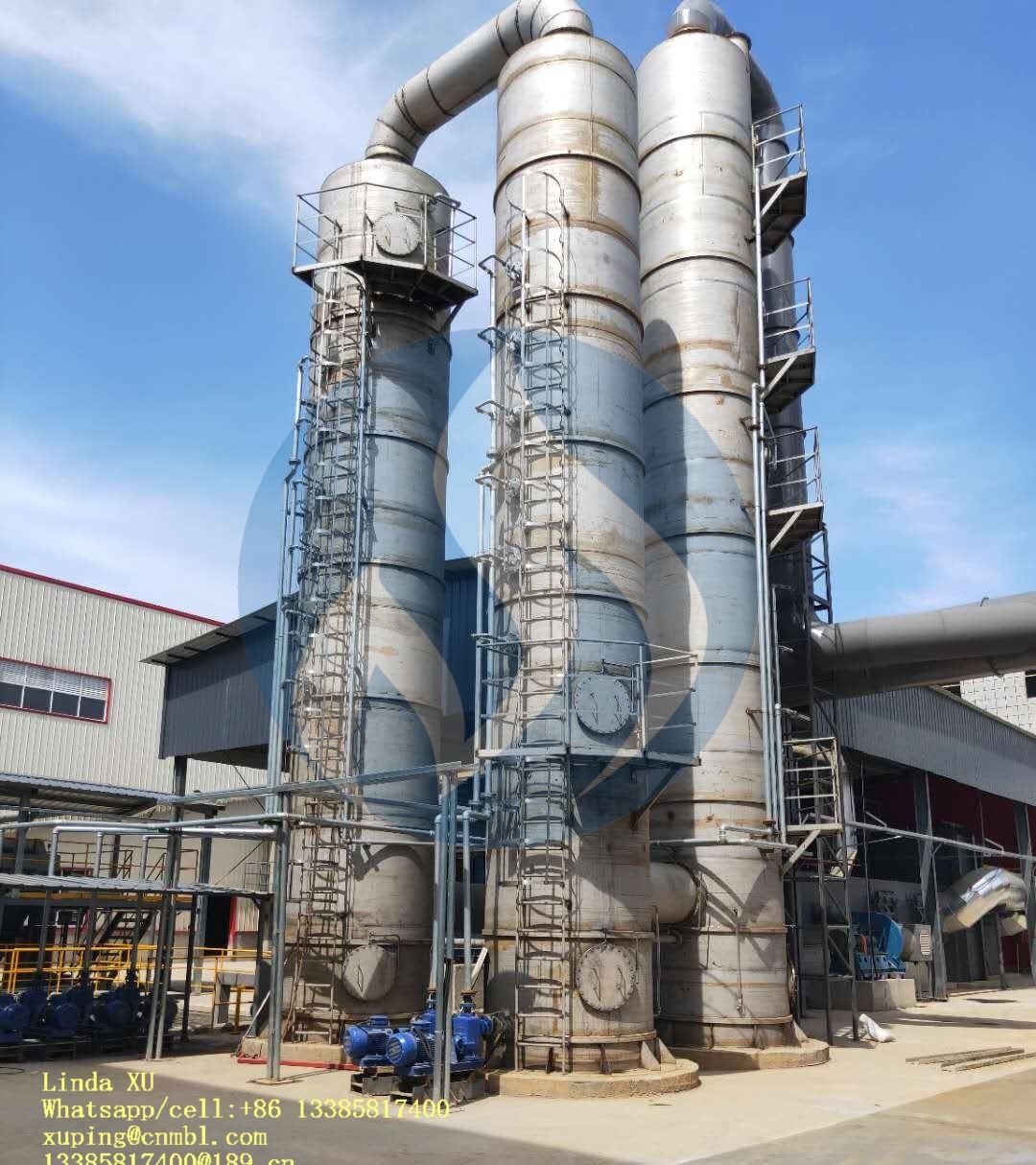
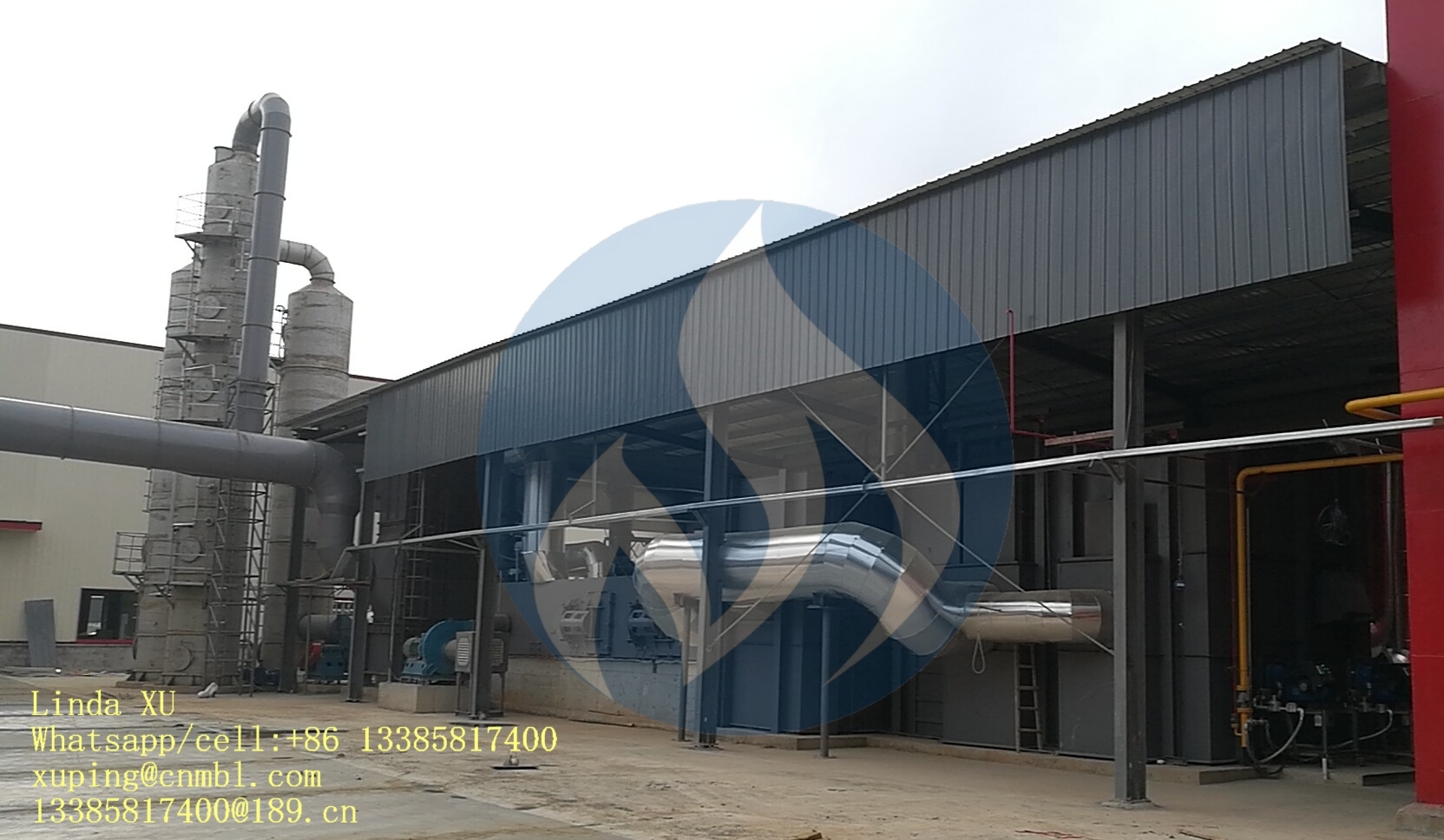
Advanced Safety and Environmental ComplianceSafety is paramount with integrated emergency stops, overheat alarms, and protective covers. The production line implements dust and gas emission control measures that adhere to global environmental standards. Energy recycling and waste filtration systems minimize ecological impact, making the operation sustainable and responsible in any market.
Flexible Customization and ControlUsers benefit from customizable options in line length, process capacity, and automation level to suit project requirements. The PLC-based control system ensures precise monitoring and easy operation of each stage. Installation is supported with detailed guidelines, foundation recommendations, and on-site technician assistance, ensuring optimal performance from the outset.
FAQ's of Rock Wool Production Line:
Q: How is the insulation thickness and wool density adjusted during production?
A: The insulation thickness (30-200 mm) and density (40-200 kg/m3) are modified through precise control settings in the production line's PLC system. Operators can alter these parameters to meet specifications for different insulation applications.
Q: What are the main processed raw materials in the Rock Wool Production Line?
A: This production line utilizes basalt, diabase, and coke as core raw materials, which are melted and fiberized to create high-performance thermal and acoustic rock wool.
Q: When should maintenance be performed on the production line?
A: Scheduled maintenance is recommended every 500 hours of operation to ensure sustained efficiency, safety, and optimal product quality. Regular maintenance extends the service life of the system beyond 20 years.
Q: Where can the Rock Wool Production Line be exported and operated?
A: The line is suitable for international markets including Europe, Asia, Africa, the Middle East, and South America, and fully complies with global emission and safety standards for easy deployment in various countries.
Q: What is the process for installing the production line at a new site?
A: Installation comprises on-site technician support, clear step-by-step documentation, and foundation recommendations. The manufacturer assists in ensuring proper setup and efficient operation from initial commissioning onward.
Q: How is the finished rock wool product packaged after production?
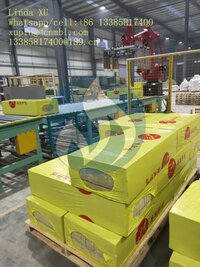
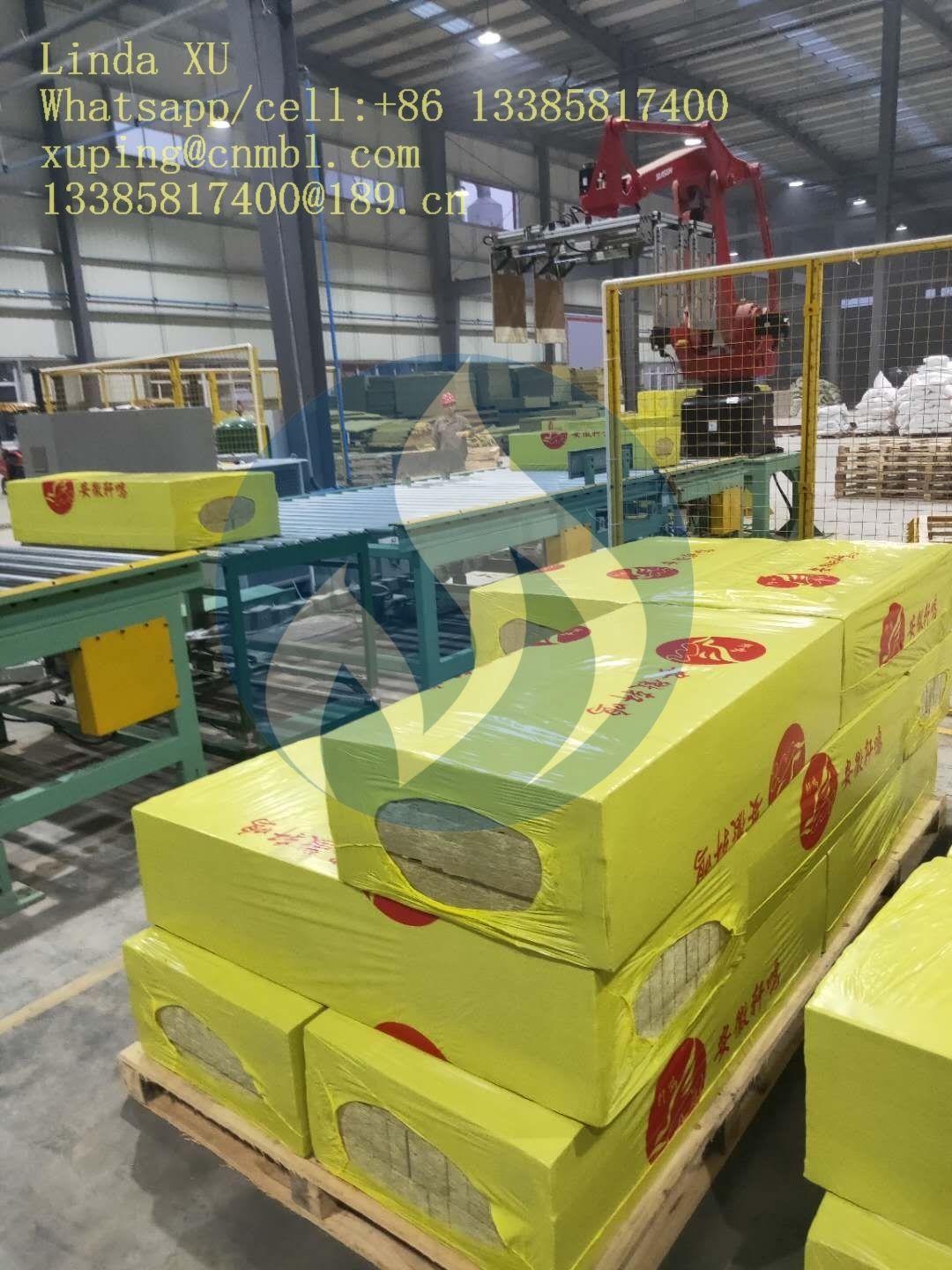
A: Rock wool is automatically stacked and palletized, then securely wrapped using shrink film for efficient transport and protection, simplifying logistics for manufacturers and suppliers.
Q: What are the key benefits of using this production line for thermal insulation applications?
A: This system guarantees continuous, high-volume output (>90% efficiency), superior energy saving, sound insulation ( 45 dB), and fire resistance. Customization, automation, and advanced safety systems further enhance its value for various insulation markets.

 Mon-Sat 9.00 AM - 6.00 PM



 Send Inquiry
 Send Inquiry

